
stained glass panels for sale
Understanding Ball Valve Types Ball valves are a crucial component in various industrial and residential applications, offering reliability and efficiency in controlling the flow of fluids. Their design features a spherical closure element (the ball) that rotates within the valve body to either allow or block the flow. Depending on the application, different types of ball valves are used, each with unique characteristics. In this article, we will explore the main types of ball valves, their applications, and the advantages they offer. 1. Floating Ball Valve The floating ball valve is one of the most common types used in various applications. In this design, the ball is not fixed; instead, it floats between the seats. The pressure of the fluid helps push the ball against the downstream seat, allowing for a tight seal in one direction. Floating ball valves are typically used for low-pressure applications and are favored for their simplicity and ease of maintenance. They are available in both full port and reduced port designs, with full port design allowing for minimal pressure loss. 2. Trunnion Ball Valve Unlike the floating ball valve, the trunnion ball valve features a fixed ball held in place by supports (trunnions) at the top and bottom. This design provides greater stability, reduces wear, and ensures a better sealing performance under high-pressure conditions. Trunnion ball valves are ideal for high-pressure applications and are often used in the oil and gas industry, as well as in water treatment facilities. Their ability to handle larger flow rates makes them suitable for large-scale operations. 3. V-Port Ball Valve ball valves types The V-port ball valve incorporates a V-shaped notch in the ball, allowing for precise flow control and throttling capabilities. This design provides superior flow regulation compared to standard ball valves, making it an excellent choice for applications requiring fine adjustments in flow rates. V-port ball valves are commonly used in chemical processing, HVAC systems, and irrigation systems, where precise control is essential. 4. Multi-Port Ball Valve Multi-port ball valves, such as three-way or four-way valves, allow for the distribution of flow into multiple directions. These valves are pivotal in applications where flow diversion, mixing, or balancing is required. For example, in a three-way valve, one inlet can split the flow into two outlets, or vice versa. Multi-port ball valves are widely used in plumbing systems, heating systems, and various industrial processes where flexibility in flow management is necessary. 5. Electric and Pneumatic Ball Valves While traditional ball valves are operated manually, electric and pneumatic ball valves enhance automation in flow control systems. Electric ball valves use electric motors for operation, providing precise control and remote operation capabilities. Pneumatic ball valves, on the other hand, use compressed air to actuate the valve. Both types facilitate faster response times and can significantly reduce the need for manual intervention in complex systems, improving efficiency and safety. Conclusion Ball valves are integral to flow control in many industries, thanks to their versatility and robustness. By understanding the different types of ball valves available, engineers and operators can make informed decisions that cater to specific application needs. Whether choosing a floating, trunnion, V-port, multi-port, or automated ball valve, the right choice ensures sustained efficiency and performance in fluid management systems.
about
stained glass panels for sale
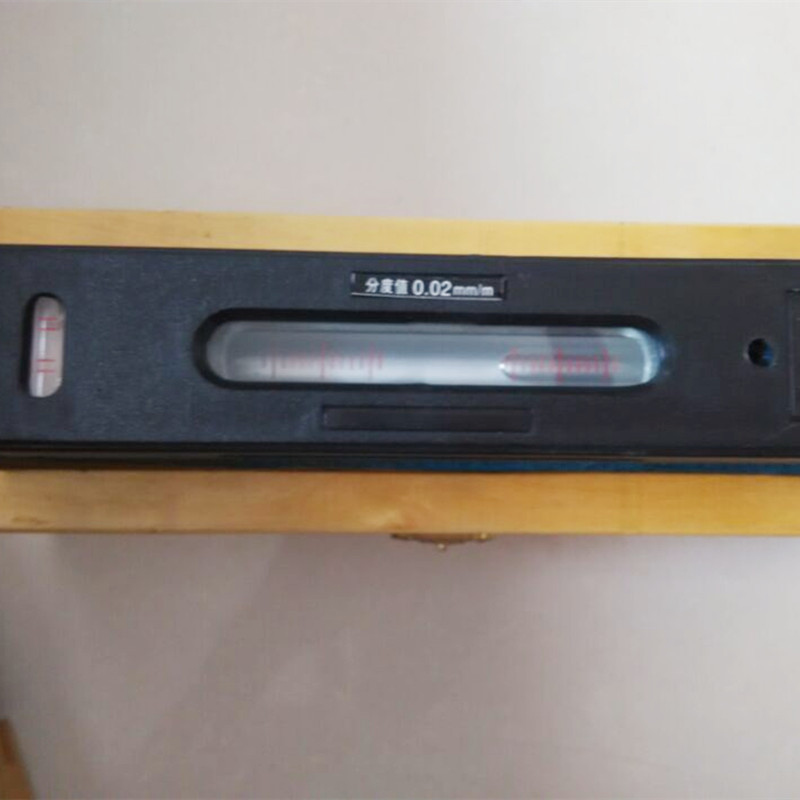
Le niveau de l'esprit professionnel un enjeu décisif pour le succès en entreprise Dans le monde du travail d’aujourd’hui, le concept d’esprit professionnel est devenu essentiel. Ce terme englobe non seulement les compétences techniques et les qualifications requises pour un poste, mais également une attitude, une éthique et un engagement envers son travail et son entreprise. Analyser le niveau d'esprit professionnel est donc crucial pour comprendre les dynamiques organisationnelles et le succès à long terme. Le niveau de l'esprit professionnel un enjeu décisif pour le succès en entreprise Ensuite, un haut niveau d'esprit professionnel englobe également le désir d'apprendre et de s'améliorer continuellement. Dans un monde en constante évolution, les employés doivent être en mesure d’adapter leurs compétences et d’évoluer avec les nouvelles technologies et méthodes. Ceux qui investissent dans leur développement personnel et professionnel, que ce soit par la formation, la lecture ou l'échange de connaissances, apportent une valeur ajoutée inestimable à leur entreprise. L'auto-amélioration permet non seulement une performance accrue, mais stimule également l'innovation au sein de l'organisation. professional spirit level Une autre dimension importante de l'esprit professionnel est la capacité à travailler en équipe. Les projets modernes nécessitent souvent une collaboration entre différents services et compétences. Les employés qui font preuve d'esprit d'équipe contribuent à créer un environnement de travail positif, où la communication est fluide et les idées peuvent émerger plus facilement. Ils reconnaissent l'importance des contributions de chaque membre et travaillent ensemble towards a common goal. L'esprit professionnel est également lié à une attitude positive et proactive. Un employé motivé et enthousiaste inspire les autres et crée une atmosphère de travail dynamique. La passion pour son travail peut être contagieuse, entraînant l'engagement des autres et, en fin de compte, la réussite collective de l'équipe. Un état d’esprit positif aide également à surmonter les défis quotidiens et à transformer les obstacles en opportunités. Enfin, le leadership joue un rôle essentiel dans le développement de l'esprit professionnel au sein d'une organisation. Les dirigeants doivent incarner les valeurs qu'ils souhaitent voir chez leurs employés. En créant un environnement qui valorise l'esprit professionnel, tels que par des programmes de reconnaissance, de formation continue et de feedback constructif, les entreprises peuvent encourager leurs équipes à maximiser leur potentiel. En conclusion, le niveau d'esprit professionnel est un indicateur crucial du succès d'une entreprise. En cultivant une culture organisationnelle qui valorise l'intégrité, l'apprentissage continu, la collaboration, l'attitude positive et le leadership inspirant, les entreprises se positionnent pour prospérer dans un marché compétitif. Investir dans le développement de cet esprit est essentiel pour toute organisation qui aspire à l’excellence et à la pérennité. C’est un défi qui mérite d’être relevé, car il en va de la réussite collective et individuelle dans le monde professionnel.
-

High quality industrial productsagement

High quality industrial products
View Details -

Meet the diverse needs of customers

Meet the diverse needs of customers
View Details -

Strict quality control

Strict quality control
View Details -

Top raw materials

Top raw materials
View Details -

Trusted supplier

Trusted supplier
View Details
Our application

news and information
Water Valve Fails to Close Properly Leading to Leakage Issues and Concerns
Troubleshooting a Water Valve That Won't Shut Off Water valves play a crucial role in home plumbing

Y-Type Cast Iron Strainer for Efficient Fluid Filtration and Flow Control
The Importance of Cast Iron Y-Type Strainers in Industrial Applications In various industrial applic
What is a Water Valve_ _ Comprehensive Guide & Types
Understanding Water Valves Essential Components for Fluid Control A water valve is a fundamental com
 English